
How ICT learning, responsible technology use, and digital creativity help primary school learners become future-ready.
Introduction
Technology is now part of everyday life. Children are growing up in a world where digital tools influence communication, education, creativity, business, and problem-solving.
At Josyl International School, Enugu, we believe that digital literacy should be introduced in a responsible, age-appropriate, and purposeful way. Our goal is not merely to expose learners to devices but to teach them how to use technology wisely, safely, creatively, and productively.
What Digital Literacy Means for Children
Digital literacy is the ability to use technology to learn, communicate, create, research, and solve problems. For young learners, it includes basic computer awareness, keyboard and mouse skills, responsible device handling, online safety, digital creativity, and understanding how technology can support learning.
When taught properly, digital literacy helps children become confident learners who can access information, organize ideas, and express creativity through modern tools.
- Basic computer awareness
- Keyboard and mouse skills
- Responsible device handling
- Digital creativity
- Online safety concepts
- ICT-supported research and learning
Responsible Technology Use
Children need guidance to understand that technology is a tool, not a distraction. They must learn healthy screen habits, respect for digital resources, privacy awareness, and safe online behaviour.
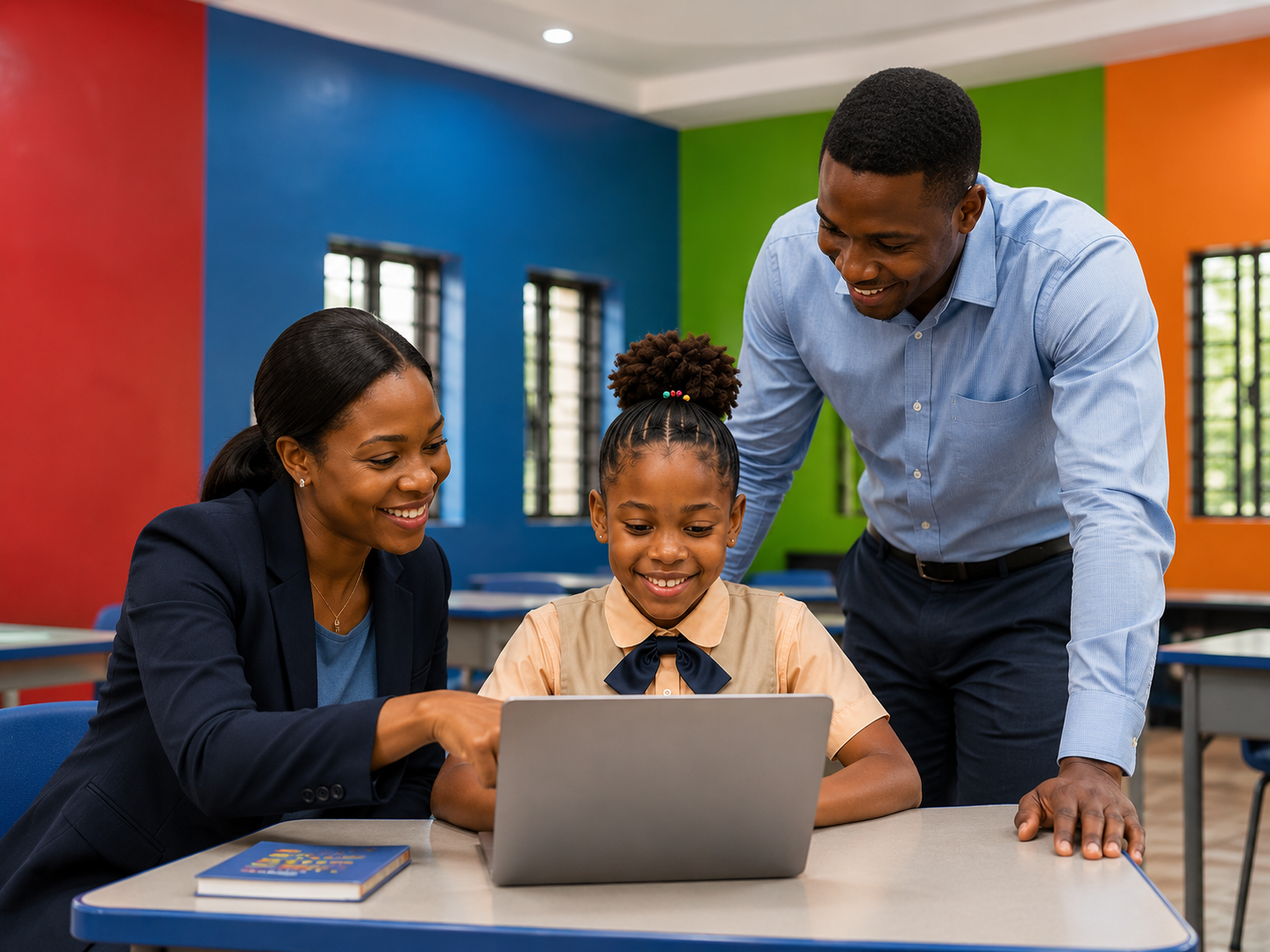
At Josyl, responsible technology use is emphasized alongside digital skills. Learners are guided to use devices for learning, creativity, research, and productivity in a controlled and supervised environment.
ICT as a Learning Support Tool
ICT enhances learning by making lessons more engaging, visual, practical, and interactive. Digital tools can support reading, mathematics, science, art, research, and communication.
Technology-enhanced teaching helps learners connect classroom lessons with real-world examples. It also encourages curiosity, investigation, and independent learning.
Developing Creativity and Innovation
Digital literacy is not only about typing or clicking. It is also about creativity. Learners can use technology to design, draw, write stories, present ideas, explore coding concepts, and create simple digital projects.
These activities build imagination, logical thinking, confidence, and innovation. They help learners see themselves as creators, not just consumers of technology.
Preparing for Future Opportunities
The future will require learners who can adapt to new tools and solve problems creatively. Early ICT exposure helps children develop confidence and flexibility.
By building digital skills early, learners are better prepared for advanced learning, research, entrepreneurship, future careers, and responsible participation in a global society.
The Role of Parents
Parents can support digital literacy by supervising screen time, encouraging educational technology use, discussing online safety, and modelling responsible device habits.
Technology should support family life and learning, not replace reading, conversation, outdoor play, moral guidance, or personal interaction.
Conclusion
Digital literacy is an essential part of modern education. At Josyl International School, Enugu, we are committed to helping learners use technology with wisdom, creativity, discipline, and purpose.
Through ICT and digital learning, we empower children to thrive in a changing world while remaining grounded in strong values and responsible habits.